Go behind the scenes of organizing an international tennis tournament with Thierry Chardy
Published on : February 15, 2024

⚡ APPRENTICESHIP TAX • Why and how to pay your tax to éklore! Info > CLICK HERE
Published on: April 10, 2025

Read more

Published on : February 15, 2024
The first modern Paris Marathon took place in 1896, right after the Olympic Games in Athens. Since 1976, it has continued to grow, expanding from 126 participants to over 40,000 in 2015. The current records are held by Elisha Rotich (2:04:21) and Judith Jeptum (2:19:48). Impressive, isn’t it?
A fun little anecdote:
At this first edition, the marathon was still organized in a rather “low-key” way. Runners had to bring their own medical clearance forms on race day, and some showed up without them, thinking it would be like a neighborhood run! Some were turned away at the starting line, which caused quite a bit of frustration… and a few attempts to start the race on their own!
And the best part: there were no chips (obviously), and very few checkpoints along the route… so some cheaters were caught, including one guy who apparently took the subway to cut across the course and rejoin the pack toward the end. 😄
Back then, it was a much smaller race: about 126 runners finished, compared to over 50,000 today! It’s crazy to see how much it’s changed, isn’t it?
 |
 |
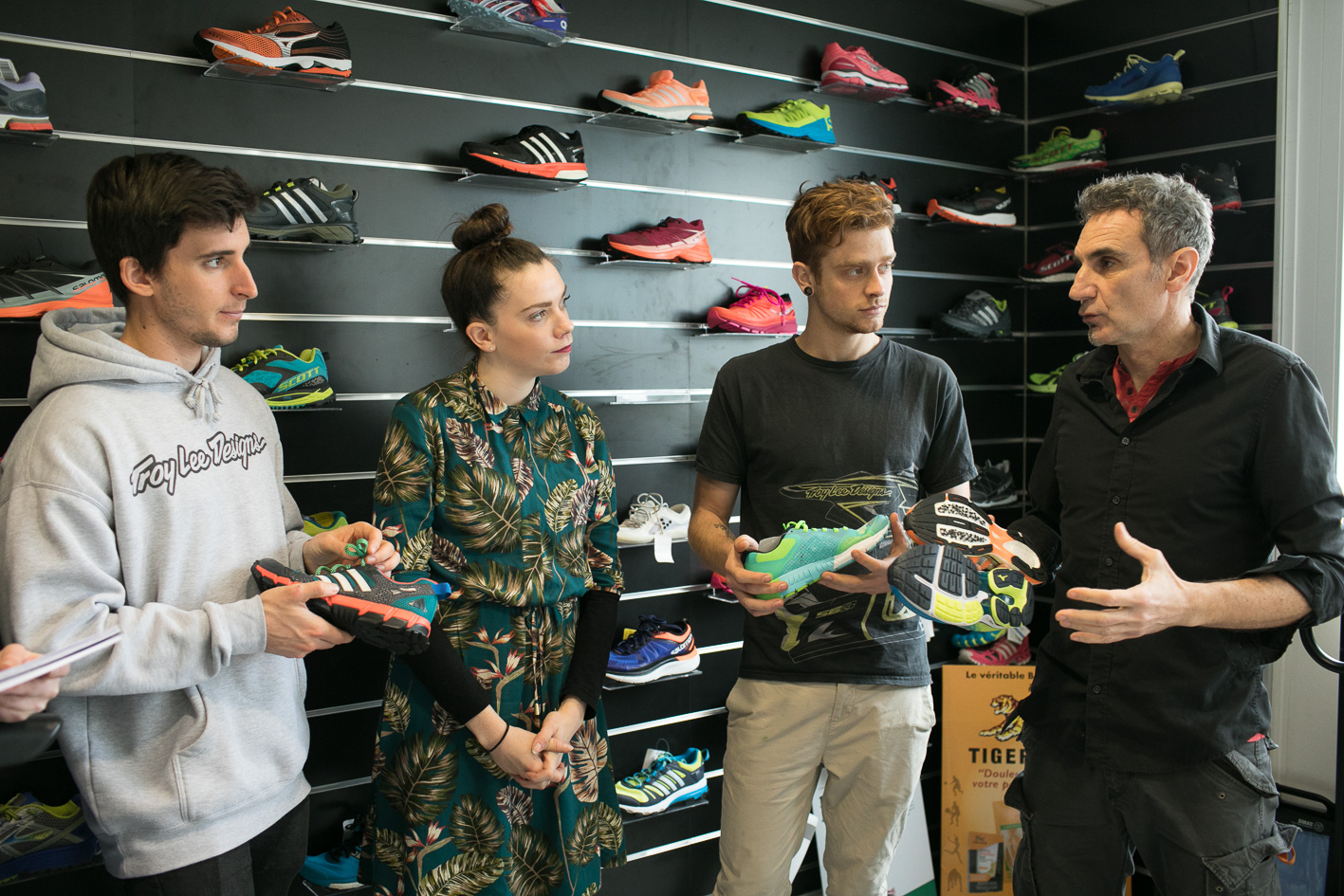
Luc Nahon isa sports instructor specializing in endurance sports and nutrition. Originally from Champagne, he grew up in Haute-Savoie, where he worked as a ski instructor before managing a sports store in Grenoble. He discovered triathlon through a passionate colleague. As an athlete in various sports, he has sponsored triathlon teams and athletes. He began training seriously and participated in numerous races. A volunteer coach since the 2000s, he earned his state certification and continues to pursue further training, particularly in mental preparation.Éklore-ed students have the opportunity to benefit from his expertise in courses on the technical aspects of athletic footwear (trail running, road running, etc.), podiatry, nutrition, and dietetics.
Training for a marathon is a bit like studying for an exam: it takes time, discipline, and a good dose of motivation.
Here are a few tips to get you started:
1. Follow a workout routine
There’s no secret to it—you just have to run! But not just any old way. Follow a well-structured training program that includes easy runs, speed workouts, long-distance runs, and rest days. A certified coach can really make a difference—especially if you don’t know much about the physiology of training. By joining a club or training with people who already have experience, you can share tips and avoid common mistakes. Plus, it’s sometimes more fun not to be alone in your training 😉 You can find sample training programs online that might inspire you, but the best approach is to consult a coach who can assess your level and take your specific needs into account to tailor and optimize your training plan for maximum enjoyment on race day!
2. Choosing the right equipment
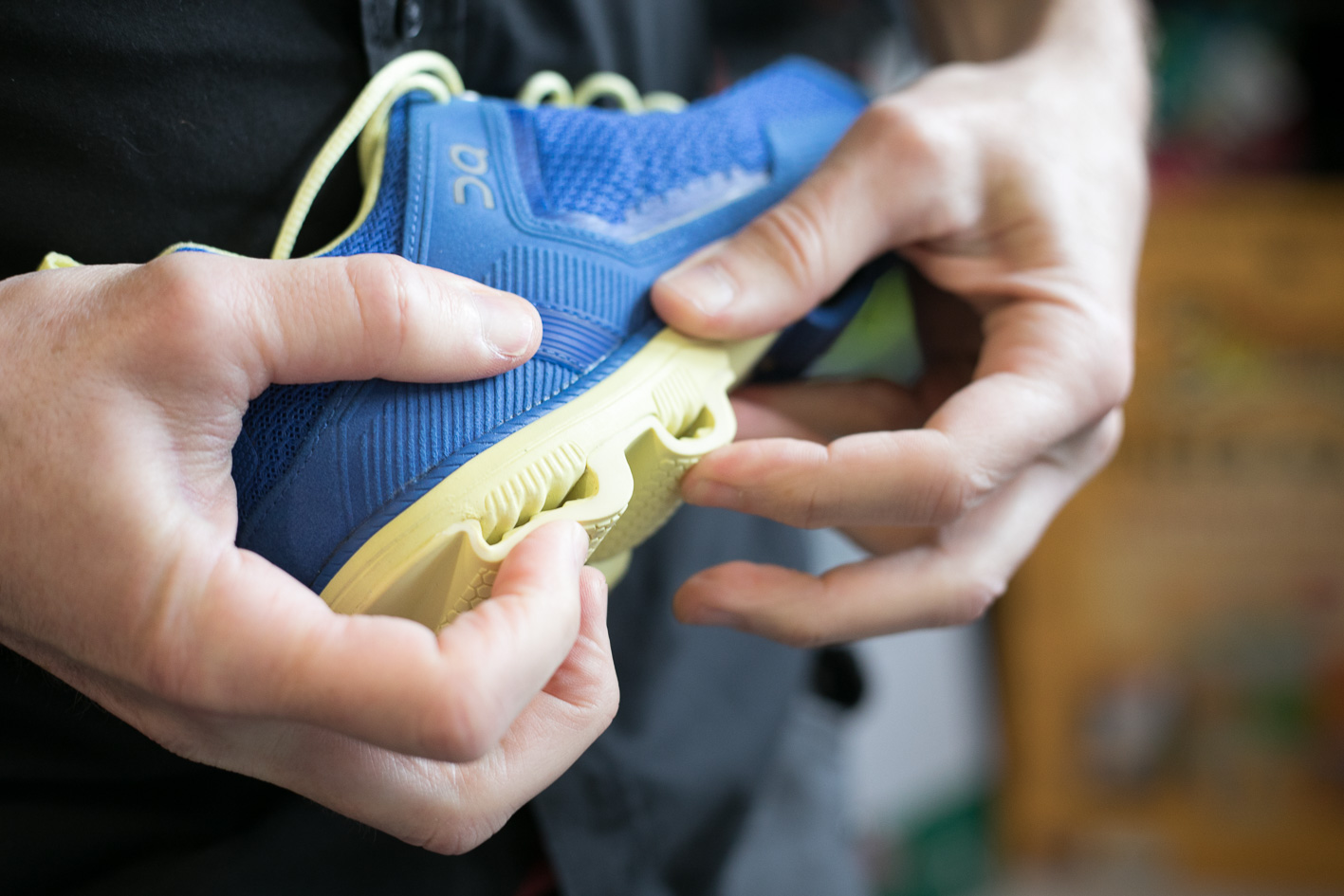
The right running shoes, comfortable clothes, and anti-blister socks—that’s the basics. Don’t forget to dress in layers so you can adjust to the weather. Yeah, but which shoes are best for me?! Well, it depends on your foot shape (you need to feel comfortable in your shoes 😊). It’s the shoe that best adapts to the shape of your foot—not the other way around—otherwise even the slightest discomfort is amplified 15-fold during a marathon and can ruin your day. Avoid testing your shoes on race day—plan ahead. If you seek advice from a store that has been trained in running by our specialized team at the EKLORE-ED group, you’ll also benefit from the best approach to help you choose a product that takes your running style into account…
3. Nutrition Strategy
Eating is important! Try out different fueling strategies during your workouts to find what works best for you. Carbs are your friends during long runs.
You'll need to refuel regularly during the marathon unless you can run it in under two hours 😂
Test out what works best for you during training; you’ll find a wide variety of products in many stores—from liquids and gels to gummies and even solid forms—in every flavor imaginable. Keep in mind that the faster you run, the harder it is to chew, but don’t forget to stay hydrated, especially if it’s very hot. Performance issues in hot weather are more closely linked to hydration, and the opposite is true in cold weather. So, consume a maximum of 30 g of carbohydrates per hour if it’s very hot (half a gel, for example) and 70 g if it’s cold; otherwise, your body won’t be able to absorb them properly. Also, drink 200 ml of water every 20 minutes (about a third of a water bottle). If you want to learn more about nutrition—pre-race meals, types of carbohydrates, and more—EKLORE-ED offers specialized training in this complex yet fascinating field!
4. Mental Preparation
Your mindset is just as important as your legs. Visualize your run, set realistic goals, and practice relaxation techniques to manage stress.
A certified mental coach can also be a valuable ally in helping you achieve your goals with confidence.
Running a marathon is much more than just a race. It’s a life-changing experience.
Here's how:
1. Build discipline
Sticking to a workout routine, eating healthy, managing your time... All of this requires iron discipline. And you can apply that discipline to your studies and your future career. The business world is increasingly drawing inspiration from the world of sports because, beyond the values they may share, a competitive spirit or simply a taste for a challenge are sought-after drivers of success.
2. Build resilience
A marathon is a test of resilience. You’ll have to overcome fatigue, pain, and moments of doubt. This ability to persevere will serve you well in every aspect of your life.
3. Boost self-confidence
Finishing a marathon is a source of immense pride. You learn to believe in yourself and push your limits. That confidence will give you the strength to take on other challenges.
4. Managing Stress
The relaxation and visualization techniques you use to manage stress while running can also help you in your daily life.
Physical exercise causes the body to release natural hormones that are not only harmless but actually promote a sense of well-being that enhances concentration at work and fosters positive connections in all areas of social interaction (endorphins, dopamine, serotonin, oxytocin).
5. Build social connections
Running a marathon is also a chance to meet other runners and build connections. These interactions can enrich both your personal and professional life.
There you have it—now you know everything there is to know about the Paris Marathon! Whether you’re ready to take the plunge or just curious, we hope this article has inspired you. So, are you ready to take on the challenge?
Learn more about the Paris Marathon: CLICK HERE