Pink October: Let’s raise awareness about breast cancer together!
Published on : October 7, 2024

⚡ OPEN CAMPUS • Come check out Éklore School!Every Wednesday > CLICK HERE
Published on: October 21, 2024
Read more
Published on : October 7, 2024
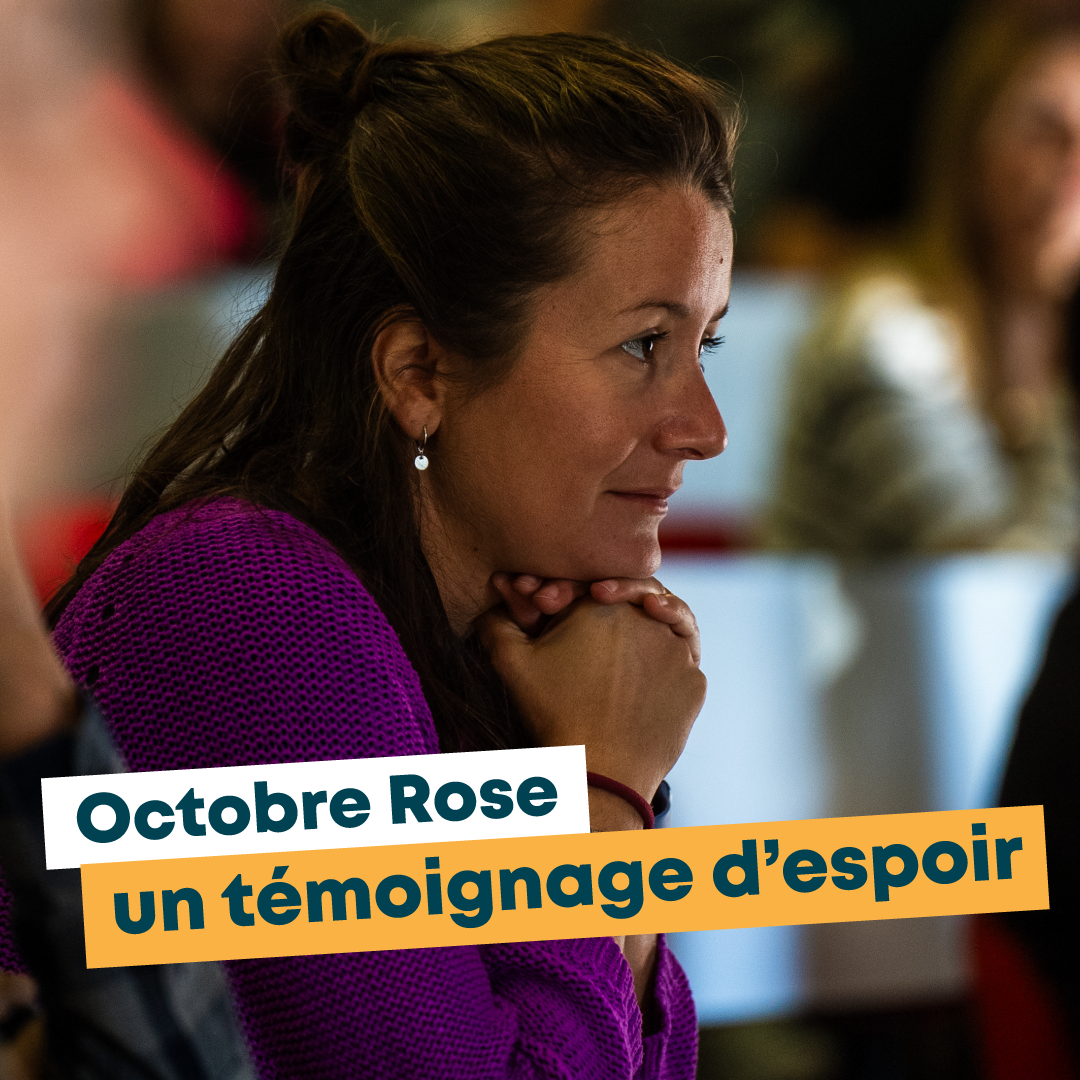
My family history played a crucial role in my decision. My mother was diagnosed with two types of cancer: first ovarian cancer in 2013, which recurred in 2015, and then breast cancer in 2016. Seeing the devastating impact the disease had on her and our family, it was clear to me that I couldn’t risk getting sick myself.
In 2019, I decided to undergo genetic testing and discovered that I carry the defective gene inherited from my mother; it is the BRCA1 gene. This gene is associated with a high risk (over 80%) of developing breast and ovarian cancer.
Preventive double mastectomy seemed like the obvious choice to me.
It’s a proactive step to protect my health and avoid going through what my mother went through. It was a difficult decision, but I’m convinced it was the best choice.
I knew the future was waiting for me; there was no way I was going to get sick—not just for my sake, but especially for my children’s!
So in November 2023, at the age of 31, I finally found the courage to follow through with my decision and say goodbye to my natural breasts.
Finding out about the risks associated with my BRCA1 mutation is definitely not the best time of my life. Especially since we learned at the same time that my sister had also inherited this defective gene.
Since I’m generally an optimistic person, I decided to look on the bright side: the chance to find out.
I was immediately taken under the care of the Bergonié Institute in Bordeaux (a regional cancer treatment center). A rigorous treatment plan was put in place, and my monitoring was immediately stepped up.
The decision-making process leading up to the surgery is lengthy and requires numerous discussions with specialists. I was cared for by oncologists, geneticists, obstetrician-gynecologists, and psychologists. These various consultations allowed me to weigh the pros and cons of my options.
It took me four years of thinking it over and two pregnancies to feel ready.
Having a mastectomy is far from a trivial matter for a woman…
To say that I wasn’t emotionally affected before the surgery would be a lie, but it was MY decision; it was a process of intense reflection, because I knew it would change my life forever.
I was supported by specialists and my loved ones, and I worked hard on myself to prepare for the procedure as best as I could. A few months before the operation, I put in a lot of work on myself—both physically and mentally.
So yes… I’ve had my moments of doubt, wondering if I’d made the right decision. But the people around me have always been there to help me clear my head and reassure me that I made the right choice.
After the surgery, I felt a mixture of relief and sadness. The relief came from the conviction that I had made THE right decision, but there was also a sense of grief over the loss of a part of myself. I had to come to terms with the loss of my breasts, a symbol of femininity and identity. The first few weeks were emotionally challenging, between the intense physical pain and the need to adjust to my new body.
Over time, I've learned to embrace this new reality.
Physically, the experience was much more painful than I had imagined. After the surgery, I had to go through a very difficult recovery period. For three weeks, I was completely dependent on others, with several drains, and I couldn’t do anything on my own.
The hardest part for me was not being able to take care of my children for nearly two months.
I felt a great deal of frustration and a sense of losing control, especially as a new mom. Discovering my new breasts was also a shock.
I was faced with a reality I hadn't really prepared myself for: swelling, bruises...
Emotionally, I managed to hold it together, partly thanks to my mental preparation but mostly thanks to the unconditional support of my family and friends. I was able to lean on them, and that really helped me get through those difficult times. Even though it was a bumpy road, I learned to appreciate every little bit of progress. I focused on moving forward and getting back into a normal routine, especially with my children.
Today, things are going much better, and I have no regrets.
I want to tell women that it’s essential to educate yourselves and understand your own bodies. Early detection can save lives. If you have a family history of breast cancer or if you carry a gene like mine, it’s crucial to talk to your doctor and ask all the necessary questions.
Take the time to check yourself and get regular checkups. It’s not just a medical procedure—it’s an act of self-care. Every woman deserves to be heard and supported in her choices, no matter which path she decides to take.
I chose to undergo a preventive double mastectomy to reduce my risk, and even though it’s been a difficult journey, I have no regrets. I want every woman to know that she’s not alone in this fight. Talk to your loved ones, build a support network, and never hesitate to ask for help. Together, we can make a difference.
Finally, I’d like to remind you that it’s important to live each day to the fullest. Life is precious, and even in the face of uncertainty, there is beauty to be found in every moment. Take care of yourself, and never forget that you are strong.